Life in a care home can be active, social and reassuring when support is shaped around the individual. At Bridge House in Abingdon, residents can combine personalised care with meaningful activities, comfortable shared spaces and links to the local community, helping everyday life feel purposeful, familiar and connected.
Moving into residential care is a major change, but it does not have to mean giving up independence, interests or valued relationships. The right residential care home in Abingdon can offer both practical support and opportunities to enjoy each day with greater confidence. At Bridge House, care is tailored around individual needs, preferences, likes and dislikes, with trained team members available around the clock. Residents can receive help with personal care and medication while continuing to make choices about how they spend their time. The aim is to provide reassurance without taking away the routines, hobbies and connections that make life personal.
A Day Built Around Choice and Independence
Good residential care should support what a person can still do, not simply focus on what they need help with. Bridge House uses gentle encouragement to help residents remain as independent as possible. Support may include personal care, medication, meals, activities and companionship.
The home provides private en-suite rooms, indoor garden areas, access to gardens, a bistro, cinema room, private dining space and a hair and beauty salon. These areas give residents options for quiet time, socialising or joining activities.
Meaningful Activities That Keep Life Interesting
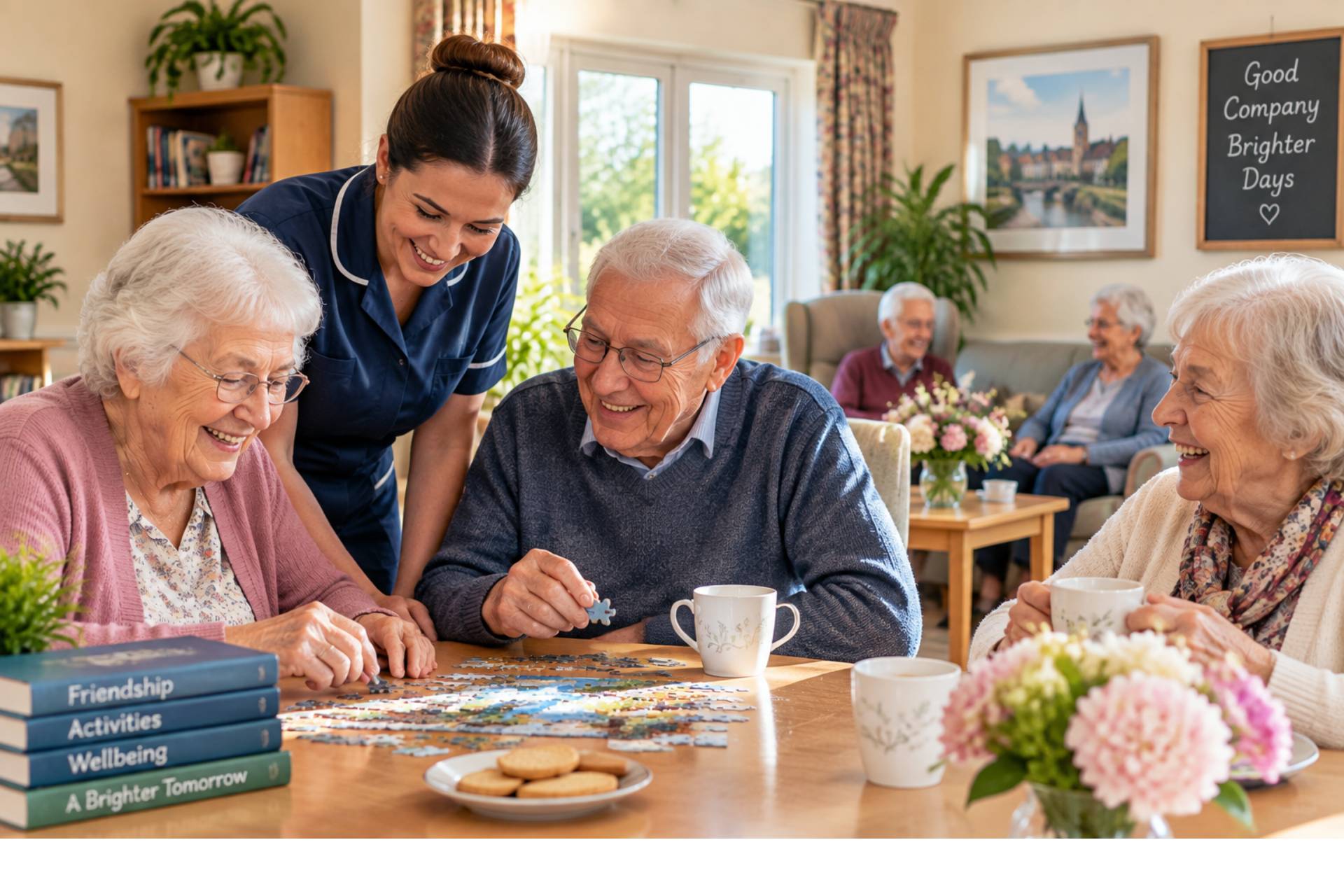
Bridge House develops activities with residents and those close to them, offering group, one-to-one and in-room options. Activities can include seated exercise, movement to music, gardening, flower arranging, quizzes, games, discussions, reminiscence, reading, knitting and needlework.
For families comparing a residential care home in Abingdon, it is worth asking how activities are personalised. A busy timetable matters less if it does not suit the person. Ask how staff learn about previous hobbies, include quieter residents and adapt activities to changing abilities.
Staying Part of the Wider Abingdon Community
Residential care should not separate someone from the world outside. Bridge House welcomes local groups and entertainers and arranges trips to places such as garden centres, museums, pubs and other attractions.
Its community initiatives include Friends of Bridge House, the Butterflies Memory Café, Repair Café and Languages Café. These create opportunities for residents to meet people, share skills and maintain connections beyond the home.
Family Contact Still Matters
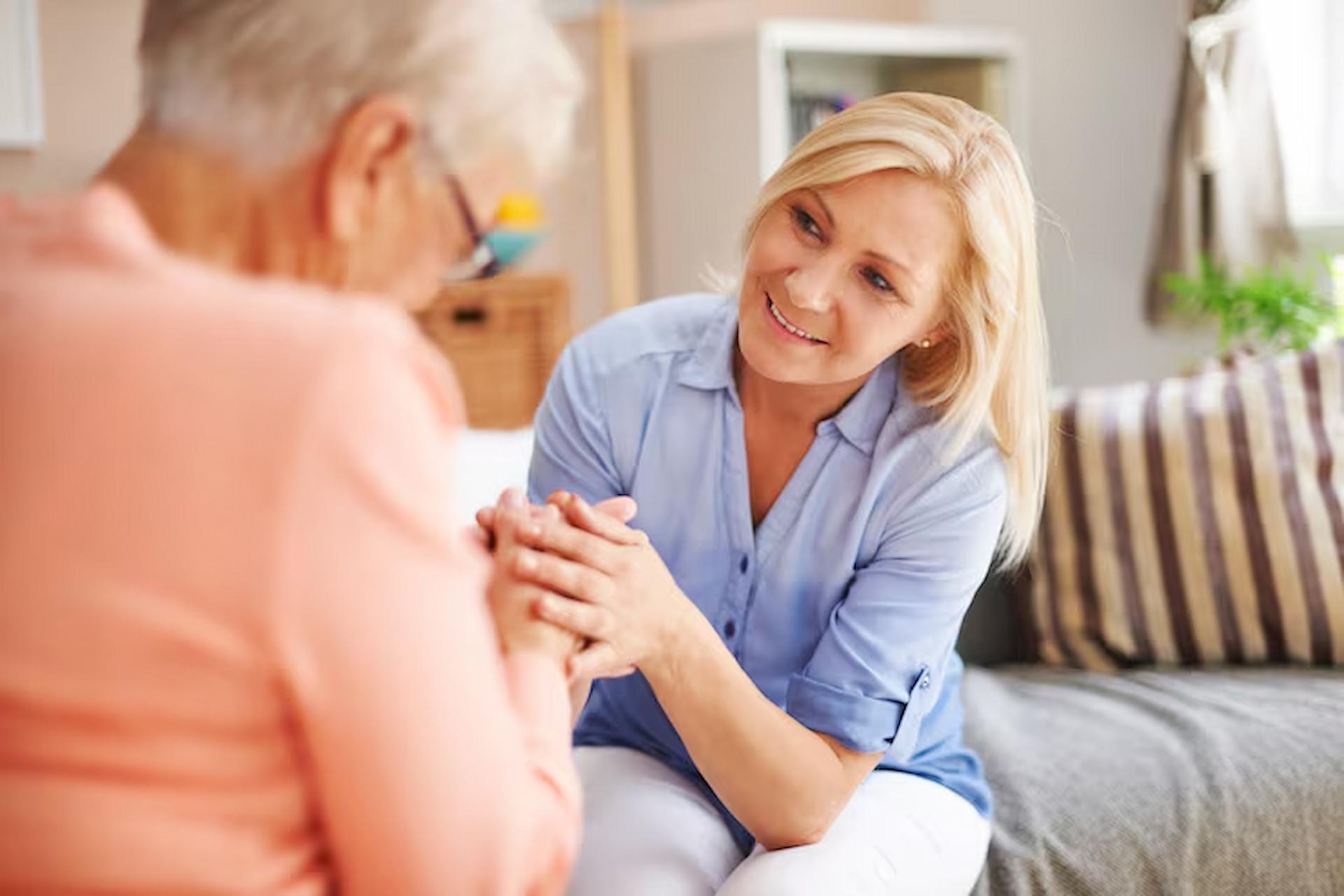
Family and friends remain important. Bridge House welcomes loved ones to share a meal, have coffee in the bistro, join an activity or spend quiet time together.
Families should ask how visits are supported, how updates are shared and how relatives are involved when needs change. Clear communication can make the move into care feel more reassuring.
FAQs
What helps residential care feel more like home?
Familiar belongings, personal routines, private space and regular family contact can all support comfort and familiarity.
Do residents have to join activities?
No. Activities can be offered in groups, one-to-one or in a resident’s room, with personal choice respected.
Can residents continue their hobbies?
Yes, where practical. Activities can be shaped around individual interests, preferences and abilities.
Can residents stay connected with the local community?
Yes. Bridge House supports community visits, shared projects and outings around Abingdon and further afield.
What should families ask during a care home visit?
Ask about personalised care, activities, visiting, meals, rooms, staffing and how changing needs are supported.
Final Overview
A fulfilling care-home experience is about more than receiving help with everyday tasks. It should give residents the security of reliable support while preserving choice, identity, relationships and opportunities to stay involved. At Bridge House, personalised residential care is combined with comfortable facilities, meaningful activities, family involvement and connections with the local community.
Families considering care should look beyond appearance alone. Ask how staff learn about each resident, how independence is encouraged, what happens when needs change and whether activities genuinely match individual interests. Visiting in person can also help families understand the atmosphere and see how residents use shared spaces. Choosing a residential care home in Abingdon should ultimately be about finding a place where practical care and everyday life work together, allowing a person to feel supported, respected and part of a community.