
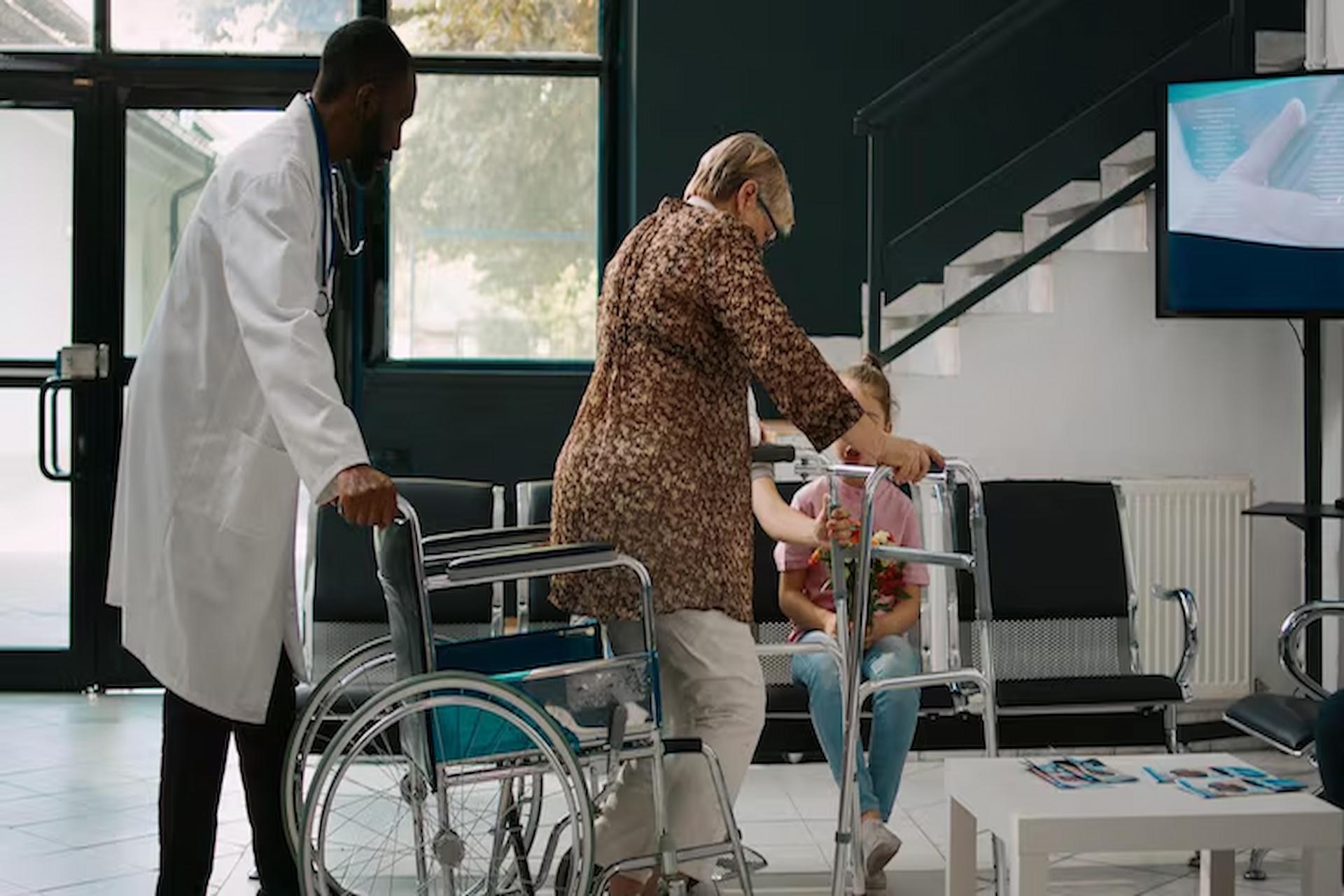
There’s a growing curiosity around what life is really like inside a modern care home. For many families, the decision to move a loved one into care comes with uncertainty, often shaped by outdated perceptions. Today’s care environments, however, are far removed from those assumptions. They focus on dignity, independence, and a strong sense of community—designed to help residents live fulfilling, comfortable lives every day.
In places such as care homes in Cambridgeshire, daily life is carefully structured yet flexible, balancing routine with personal choice. Each day is thoughtfully planned to support physical wellbeing, emotional comfort, and social connection.
A Calm and Comfortable Start to the Day
Mornings in a modern care home are unhurried and tailored to each resident’s preferences. In care homes in Cambridgeshire, unlike rigid institutional routines of the past, today’s approach prioritises choice.
Residents can wake up at their preferred time, with support available for those who need assistance getting out of bed, dressing, or preparing for the day. Personal care is delivered with sensitivity and respect, ensuring individuals maintain their dignity at all times.
Breakfast is typically a relaxed affair. Residents can choose from a variety of options, often including both traditional and lighter meals. Nutrition plays a central role, with menus designed to meet specific dietary needs while still offering enjoyable, home-style food.
Morning Activities That Encourage Engagement
After breakfast, the day begins to take shape with a range of activities. Modern care homes recognise that mental stimulation and social interaction are just as important as physical health.
Activities may include light exercise sessions, music therapy, arts and crafts, or gardening. These are not simply scheduled to fill time—they are carefully chosen to match residents’ interests and abilities.
For some, a quiet reading session or a chat over tea may be more appealing than group activities. The key is flexibility. Staff are trained to understand each individual’s personality and preferences, ensuring everyone feels included without pressure.
Personalised Care and Health Support
Throughout the day, care teams provide ongoing support tailored to individual needs. This includes medication management, mobility assistance, and monitoring of health conditions.
Modern care homes often work closely with healthcare professionals such as nurses, physiotherapists, and GPs. This integrated approach ensures that residents receive consistent and proactive care.
Importantly, care is not only physical. Emotional wellbeing is given equal attention. Staff take time to build meaningful relationships with residents, offering reassurance, companionship, and conversation that can make a significant difference to someone’s day.
Lunchtime as a Social Highlight
Lunch is often one of the most social parts of the day. Dining areas are designed to feel welcoming rather than clinical, encouraging residents to eat together and enjoy each other’s company.
Meals are freshly prepared, with attention to both nutrition and taste. Residents may have input into menu planning, helping to create a sense of familiarity and comfort.
For those who prefer a quieter setting, alternative dining arrangements are available. Again, the emphasis is on choice and personal comfort.
Afternoon: Balance Between Activity and Relaxation
Afternoons typically offer a mix of structured and relaxed options. Some residents may take part in organised events such as quizzes, film screenings, or visiting entertainment. Others may prefer to rest, spend time with visiting family, or enjoy the garden.
Outdoor spaces play an important role in modern care homes. Safe, accessible gardens allow residents to experience fresh air and nature, which has been shown to support both physical and mental wellbeing.
Family visits are encouraged throughout the day, helping residents maintain strong connections with loved ones. Many care homes also incorporate technology, making it easier for residents to stay in touch through video calls if in-person visits are not possible.
Evening Routines That Promote Comfort
As the day winds down, the atmosphere becomes calmer and more relaxed. Evening meals are typically lighter, followed by quiet activities such as television, reading, or gentle conversation.
Staff assist residents with their evening routines, including personal care and preparing for bed. Just like in the morning, these routines are flexible and adapted to individual preferences.
For some residents, especially those living with conditions like dementia, maintaining a consistent and soothing evening routine can be particularly beneficial. Care teams are trained to recognise these needs and provide appropriate support.
The Role of Community and Connection
One of the defining features of modern care homes is the strong sense of community. Residents are encouraged to build friendships, share experiences, and feel part of a supportive environment.
Events such as celebrations, themed days, and community visits help create a lively and engaging atmosphere. These moments bring variety to daily life and give residents something to look forward to.
At the same time, privacy is always respected. Residents have their own personal spaces where they can relax and enjoy time alone when they choose.
A Focus on Independence and Dignity
Perhaps the most important aspect of daily life in a modern care home is the emphasis on independence. Rather than doing everything for residents, staff aim to support them in doing as much as they can themselves.
This approach helps maintain confidence and a sense of purpose. Whether it’s choosing what to wear, deciding how to spend the day, or participating in activities, residents remain in control of their own lives.
Dignity is at the core of every interaction. From personal care to social engagement, the goal is always to treat residents with respect and compassion.
Conclusion
A typical day in a modern care home is far from monotonous or restrictive. It is a carefully balanced blend of routine, flexibility, care, and connection. From personalised morning routines to engaging activities and supportive evening care, every aspect is designed to enhance quality of life.
For families exploring options, understanding this daily rhythm can offer reassurance. Today’s care homes are not just places of support—they are vibrant communities where individuals can continue to live with dignity, comfort, and purpose.