Heating and cooling account for a significant portion of the average household’s energy bill. Whether you’re dealing with freezing winter mornings or sweltering summer afternoons, keeping your home comfortable can quickly become expensive. The good news is that lowering your energy costs doesn’t have to mean living in an uncomfortable home or making major lifestyle changes.
Many homeowners assume that reducing utility bills requires replacing their entire HVAC system, but that’s rarely the case. Small improvements, routine maintenance, and smarter habits can make a noticeable difference. If you’re unsure whether your system is operating efficiently, scheduling professional HVAC service in Toccoa, GA can help identify hidden issues that may be increasing your monthly energy costs.
Adjust Your Thermostat Wisely
One of the simplest ways to save money is by setting your thermostat strategically. During colder months, lowering the temperature by just a few degrees while you’re sleeping or away from home can reduce energy consumption without affecting your comfort. Likewise, raising the thermostat slightly during summer can ease the workload on your air conditioner.
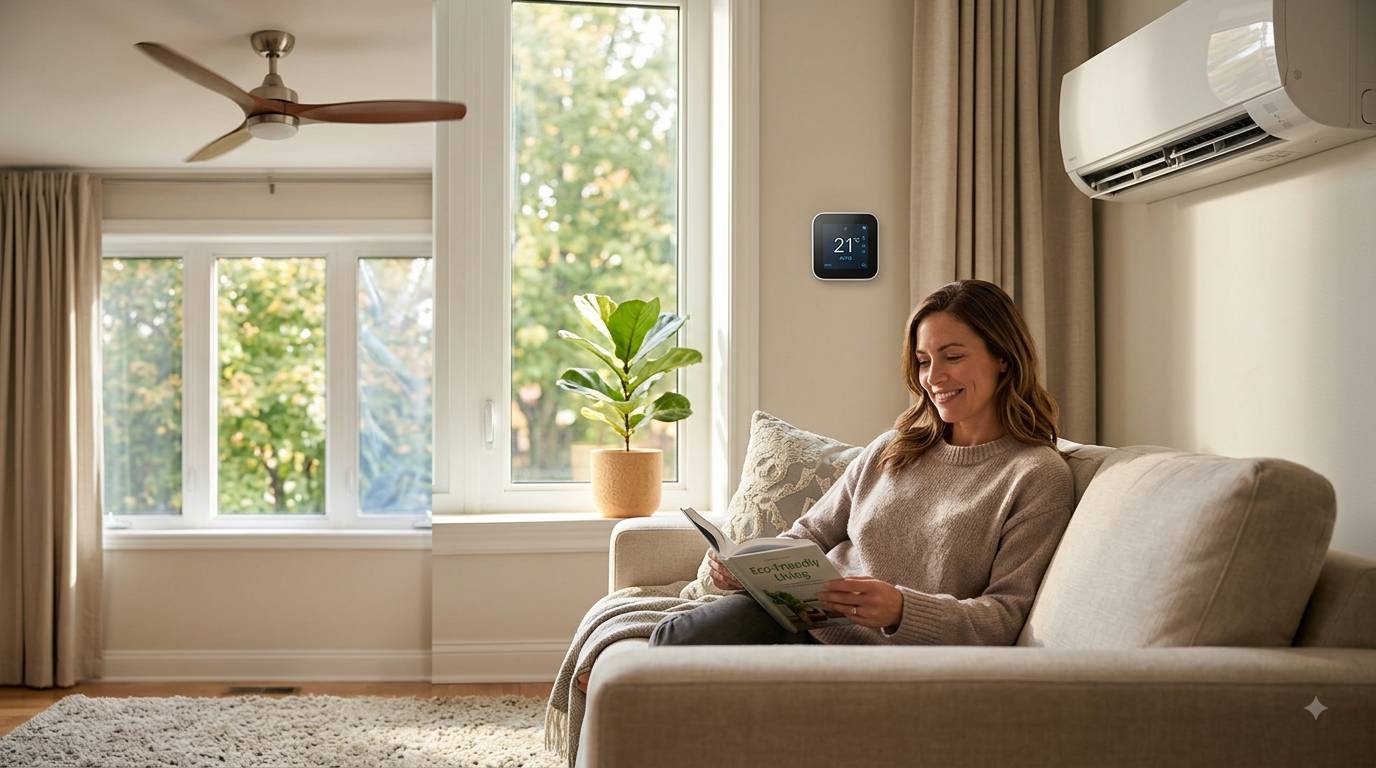
A programmable or smart thermostat makes this process effortless by automatically adjusting temperatures based on your daily routine. Many smart models also provide energy reports, allowing you to better understand your usage patterns and identify opportunities to save.
Replace Air Filters Regularly
A clogged air filter forces your HVAC system to work harder than necessary. Restricted airflow reduces efficiency, increases energy consumption, and may even shorten the lifespan of your equipment.
Most manufacturers recommend replacing standard filters every one to three months, although households with pets or allergy sufferers may need more frequent replacements. This inexpensive maintenance task can improve airflow, indoor air quality, and overall system performance.
Seal Air Leaks Around Your Home
Even the most efficient heating and cooling system can’t compensate for air escaping through cracks and gaps. Windows, doors, attic access points, and plumbing penetrations are common areas where conditioned air is lost.
Weatherstripping doors, applying caulk around window frames, and sealing visible gaps help prevent unwanted drafts. These simple improvements reduce the amount of work your HVAC system must perform while making indoor temperatures more consistent throughout the home.
Improve Your Home’s Insulation
Insulation acts as a barrier that keeps warm air inside during winter and blocks heat from entering during summer. Homes with insufficient insulation often experience uneven temperatures and higher utility bills because conditioned air escapes more easily.
Adding insulation to attics, crawl spaces, or exterior walls can significantly improve energy efficiency. While insulation upgrades require an upfront investment, they often pay for themselves over time through lower heating and cooling costs.
Make the Most of Ceiling Fans
Ceiling fans don’t actually change the temperature of a room, but they improve comfort by circulating air more effectively.
During summer, fans should rotate counterclockwise to create a cooling breeze that allows you to raise your thermostat setting without feeling warmer. In winter, reversing the fan direction at a low speed helps push warm air down from the ceiling, distributing heat more evenly throughout the room.
This simple adjustment can reduce your reliance on heating and cooling equipment throughout the year.
Keep Vents and Registers Clear
Furniture, rugs, curtains, and other household items often block supply and return vents without homeowners realizing it. Restricted airflow forces the HVAC system to work harder while reducing comfort in different areas of the home.
Walk through your house periodically to ensure vents remain open and unobstructed. Cleaning dust from registers also promotes better airflow and contributes to healthier indoor air quality.
Use Natural Heating and Cooling
Taking advantage of natural sunlight and shade can help regulate indoor temperatures without additional energy use.
During winter, open curtains on south-facing windows during the day to let sunlight naturally warm your living spaces. After sunset, close the curtains to help retain that warmth.
In summer, keep blinds or curtains closed during the hottest parts of the day to block solar heat gain. Planting shade trees or installing exterior awnings can provide additional long-term energy savings by reducing the amount of direct sunlight entering your home.
Schedule Routine HVAC Maintenance
Like any major appliance, heating and cooling systems perform best when they’re properly maintained. Annual inspections help identify worn components, refrigerant issues, dirty coils, and other problems before they become costly repairs or reduce system efficiency.
Preventive maintenance not only lowers energy consumption but also extends equipment lifespan and improves overall reliability. Regular tune-ups can help ensure your system operates at peak performance throughout every season.
Upgrade Older Equipment When Necessary
If your heating or cooling system is more than 15 years old, it may be consuming far more energy than modern high-efficiency models. Older units often require frequent repairs and struggle to maintain consistent indoor temperatures.
While replacing an HVAC system represents a significant investment, today’s energy-efficient equipment offers substantial improvements in performance, comfort, and operating costs. Homeowners often find that lower monthly utility bills help offset the cost of the upgrade over time.
Build Everyday Energy-Saving Habits
Long-term savings often come from small daily habits rather than dramatic changes. Turning off exhaust fans when they’re no longer needed, keeping interior doors open for better airflow, and avoiding unnecessary thermostat adjustments can all contribute to improved efficiency.
It’s also helpful to avoid placing lamps, televisions, or other heat-producing electronics near your thermostat, as they can cause inaccurate temperature readings that make your HVAC system run longer than necessary.
Final Thoughts
Reducing heating and cooling costs doesn’t require sacrificing comfort or making your home less enjoyable. By combining smart thermostat settings, regular maintenance, better insulation, proper airflow, and energy-conscious habits, homeowners can significantly improve efficiency while maintaining a comfortable indoor environment throughout the year.
The most effective approach is often a combination of small improvements that work together. Over time, these practical strategies can lower utility bills, reduce unnecessary wear on your HVAC system, and create a more comfortable home in every season.