Indoor air quality has become an important consideration for homeowners looking to create a healthier and more comfortable living environment. While heating and cooling systems are primarily designed to regulate temperature, modern HVAC technology can also play a significant role in reducing airborne contaminants such as dust, pollen, mold spores, pet dander, and other particles that circulate throughout a home.
One effective improvement homeowners often consider is UV air sanitizer system installation, which can help address certain biological contaminants within an HVAC system. Combined with other air-quality-focused upgrades, this technology can contribute to cleaner indoor air and improved overall system performance.
Why Indoor Air Quality Matters
Most people spend a large portion of their time indoors, making the quality of indoor air a critical factor in everyday comfort. Airborne contaminants can accumulate over time and circulate repeatedly through a home’s ventilation system. Poor indoor air quality may contribute to unpleasant odors, excess dust buildup, and reduced HVAC efficiency.
Factors that can impact indoor air quality include:
- Outdoor pollutants entering the home
- Pet hair and dander
- Dust and household debris
- Moisture that encourages mold growth
- Cooking and cleaning byproducts
- Seasonal allergens such as pollen
Because many of these contaminants move through HVAC ductwork, upgrading specific system components can help reduce their presence indoors.
High-Efficiency Air Filtration Systems
One of the most common HVAC upgrades for improving indoor air quality is installing a high-efficiency air filtration system. Standard filters are designed to protect HVAC equipment, but higher-performance filters can capture smaller airborne particles.
Advanced filtration systems can help trap:
- Dust particles
- Pollen
- Pet dander
- Lint and fibers
- Certain airborne pollutants
When selecting a filter, homeowners should consider compatibility with their HVAC system. Filters that are too restrictive may affect airflow if the system is not designed to accommodate them. Consulting with an HVAC professional can help ensure the correct balance between filtration and system performance.
UV Light Air Sanitization Systems
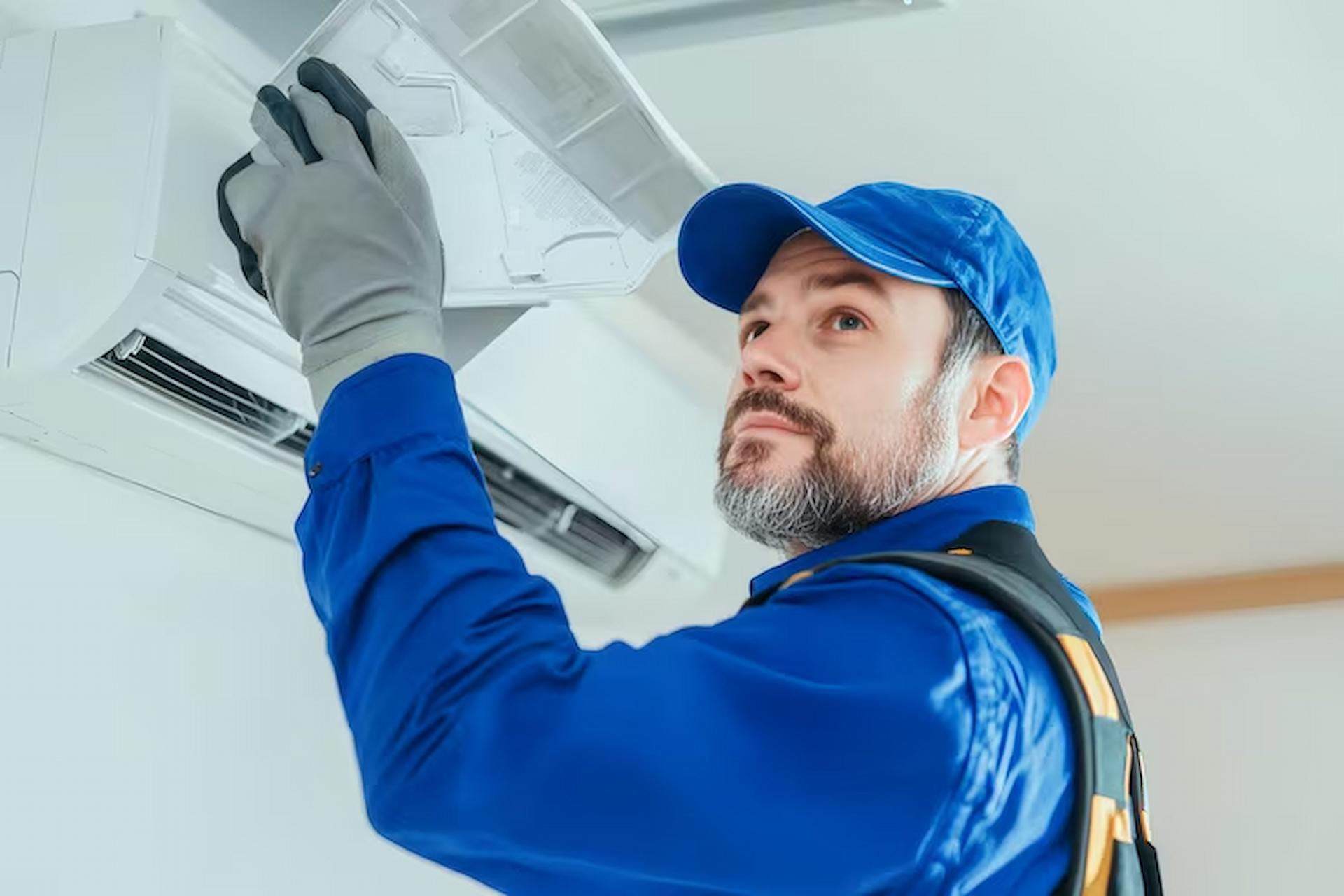
Ultraviolet (UV) technology has become a popular addition to residential HVAC systems. UV lights are typically installed near the evaporator coil or within ductwork where air passes through the system.
The primary purpose of these systems is to help reduce the growth of certain microorganisms that may develop in dark, damp areas of HVAC equipment. By targeting these environments, UV technology can support cleaner system operation and potentially reduce the spread of biological contaminants through the airflow.
UV systems are often used alongside filtration upgrades rather than as a standalone solution, creating a more comprehensive indoor air quality strategy.
Whole-Home Air Purification Systems
Air purifiers designed for HVAC integration offer another layer of protection against airborne contaminants. Unlike portable units that treat a single room, whole-home air purification systems work throughout the entire house.
These systems can help address a variety of airborne particles while continuously treating air as it moves through the HVAC system. Depending on the technology used, they may target fine particles that traditional filters might not capture as effectively.
Homeowners who experience frequent dust accumulation or seasonal allergy concerns often explore whole-home purification as part of a broader indoor air quality improvement plan.
Humidity Control Solutions
Humidity levels play an important role in indoor air quality. Excess moisture can create conditions that encourage mold and mildew growth, while overly dry air may contribute to discomfort and irritation.
Installing humidity control equipment can help maintain balanced indoor conditions year-round.
Common humidity control upgrades include:
- Whole-home dehumidifiers
- Whole-home humidifiers
- Smart humidity monitoring systems
- Integrated HVAC moisture management controls
Maintaining proper humidity levels may help limit conditions that allow certain contaminants to thrive while also improving indoor comfort.
Ductwork Improvements and Sealing
Even the most advanced filtration system may struggle to perform effectively if ductwork is damaged or leaking. Gaps and cracks in ducts can allow contaminants from attics, crawl spaces, or wall cavities to enter the airflow.
Professional duct sealing can provide several benefits:
- Reduced infiltration of dust and debris
- Improved airflow efficiency
- Better temperature consistency
- Lower energy waste
- Enhanced effectiveness of filtration systems
In some cases, older duct systems may also benefit from cleaning if excessive buildup has accumulated over time. However, duct cleaning should be performed by qualified professionals when appropriate and necessary.
Smart HVAC Controls and Monitoring
Modern smart HVAC technology offers homeowners greater visibility into indoor air quality conditions. Advanced thermostats and monitoring systems can track factors such as temperature, humidity, filter status, and air quality indicators.
These systems help homeowners:
- Receive filter replacement reminders
- Monitor humidity levels
- Optimize HVAC operating schedules
- Improve overall system efficiency
- Identify potential air quality issues early
By providing real-time information, smart controls make it easier to maintain a healthier indoor environment while supporting HVAC performance.
Combining Multiple Upgrades for Better Results
No single HVAC upgrade can eliminate every airborne contaminant. The most effective indoor air quality strategies often involve combining several complementary solutions.
A comprehensive approach may include:
- High-efficiency air filtration
- UV sanitization technology
- Whole-home air purification
- Humidity control systems
- Duct sealing and maintenance
- Smart monitoring tools
Each component addresses different aspects of indoor air quality, creating a more complete solution for reducing contaminants throughout the home.
Conclusion
Improving indoor air quality requires more than simply replacing air filters on a regular schedule. Today’s HVAC technologies offer a variety of solutions that can help reduce airborne contaminants, support cleaner airflow, and enhance overall comfort within the home.
From advanced filtration systems and UV sanitization to humidity control and duct improvements, these upgrades work together to create a healthier indoor environment. Homeowners interested in cleaner air should evaluate their current HVAC setup and consider which upgrades best align with their specific needs, home conditions, and indoor air quality goals.