
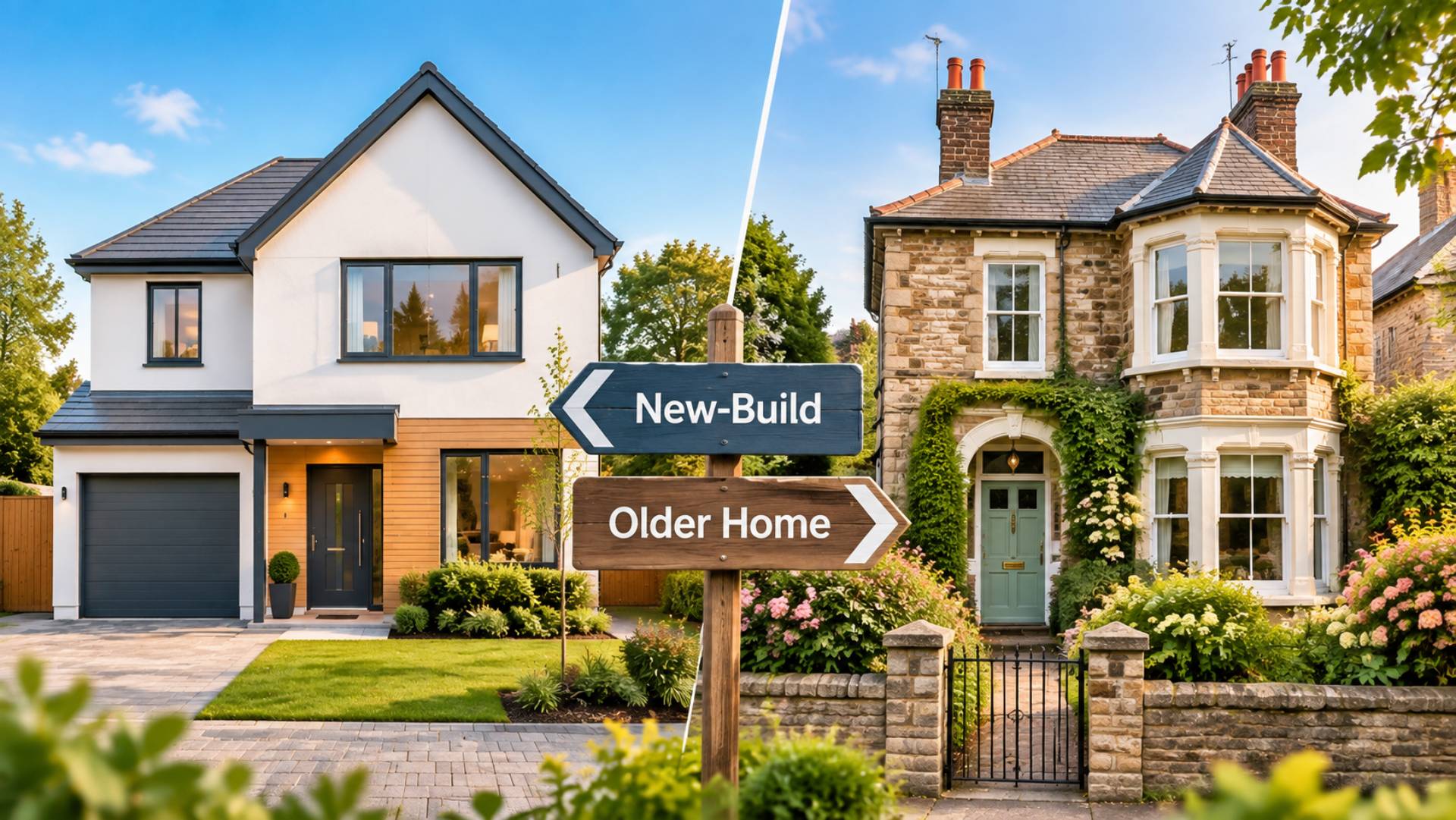
Buying a home is a major decision, and choosing between a new-build property and an older home can feel challenging. Both options offer unique advantages, but they also come with different responsibilities and costs. A new-build home may provide modern features, better energy efficiency, and fewer immediate repairs, while an older property may offer character, established surroundings, and more flexibility for improvements.
The right choice depends on your budget, lifestyle, location preferences, and willingness to handle maintenance or renovation work. Understanding the benefits and drawbacks of each option can help you find a property that suits your long-term needs.
What Makes a New-Build Home Different?
A new-build home is a property that has recently been constructed and has not been previously occupied. These homes are usually designed according to current building standards and often include modern layouts, updated fittings, and energy-saving features.
Many buyers choose new-build properties because they want a home that is ready to move into without needing major repairs or improvements. Everything from the kitchen and bathroom fixtures to heating systems and insulation is generally new, making the property easier to manage in the early years.
However, buying a new-build also requires careful consideration. Some developments may still be under construction, meaning buyers could experience delays before moving in. It is also important to check the quality of the finish, complete inspections where needed, and understand what is included within the warranty.
Advantages of Buying a New-Build Home
One of the biggest benefits of a new-build property is lower maintenance. Since the home, appliances, and systems are new, buyers are less likely to face unexpected repair costs soon after purchase. This can make financial planning easier, especially for first-time buyers.
Energy efficiency is another important advantage. Modern homes are often built with improved insulation, efficient heating systems, and better windows that help maintain indoor temperatures. These features can improve comfort while potentially reducing energy expenses.
New-build homes also often include modern designs that match today’s lifestyles. Open living spaces, practical storage solutions, contemporary kitchens, and areas designed for remote working are common features in newer properties. Some developments may also offer smart home technology and shared community facilities.
Warranty protection can provide additional reassurance. Many new-build properties come with coverage for certain defects or structural issues. Buyers should always review warranty terms carefully to understand what is covered and how problems should be reported.
Potential Drawbacks of New-Build Properties
Although new-build homes offer many benefits, they may not be perfect for every buyer. Some properties can have smaller rooms or gardens compared with older homes, especially in areas where developers are trying to maximise available space.
New neighbourhoods may also take time to develop fully. Shops, transport connections, schools, and community facilities may not always be available immediately, which can affect convenience during the early years.
Customisation can also be limited once construction is complete. While some developers allow buyers to select finishes and features before completion, options may depend on the stage of construction and available choices.
What Makes Older Homes Attractive?
Older homes often appeal to buyers who value character, established locations, and unique architectural details. These properties may include features that are difficult to replicate in modern construction, such as original fireplaces, larger gardens, traditional layouts, and distinctive designs.
Older homes can also offer more flexibility for renovation, allowing owners to adapt spaces according to their personal preferences.
Benefits of Buying an Older Home
1. Character and Unique Features
Many older properties have a sense of personality that attracts buyers. Original materials, traditional craftsmanship, and historic details can create a home with a distinctive atmosphere.
For some people, owning a property with character is an important part of the buying decision.
2. Established Locations
Older homes are often found in mature neighbourhoods with established communities. Buyers may benefit from existing transport connections, local businesses, schools, parks, and other nearby facilities.
Location can have a major impact on daily convenience and long-term satisfaction.
3. Renovation Opportunities
An older property can provide opportunities for improvement and personalisation. Buyers may update kitchens, bathrooms, layouts, energy systems, or décor to create a home that better matches their needs.
However, renovation costs should always be considered before purchasing.
Challenges of Buying an Older Home
The main consideration with older properties is maintenance. As homes age, certain areas may require attention, including plumbing, electrical systems, roofing, insulation, and heating equipment.
Some issues may not be visible during a quick viewing. Problems such as damp, outdated installations, or structural concerns may only become clear after a professional survey. This is why inspections are important when purchasing an older property.
Renovation costs should also be carefully considered. While improvements can add value and improve comfort, they require time, planning, and additional investment.
Which Property Type Fits Your Lifestyle?
Choosing between a new-build and an older home depends on what matters most to you.
A new-build may be suitable if you prefer a modern, low-maintenance property and want to avoid immediate repair work. It can be a good option for buyers who value energy efficiency, convenience, and contemporary designs.
An older home may be better suited to buyers who enjoy character, established locations, and the opportunity to personalise their living space. It may require more effort, but it can offer a sense of individuality that some newer properties lack.
Your budget should include more than the purchase price. Consider future costs such as maintenance, energy bills, renovations, and upgrades before making a final decision.
Final Thoughts
Both new-build and older homes have their own strengths. New-build properties provide modern features, energy efficiency, and reduced maintenance, while older homes offer character, established communities, and renovation opportunities.
The best choice is the property that matches your lifestyle, financial situation, and future plans. By considering your priorities carefully and understanding the responsibilities involved with each option, you can make a confident decision and choose a home that meets your needs for years to come.


